
“5 Minutes for HEALTH” 2025: 11 Cities, Hundreds of Participants, and What the Data Shows


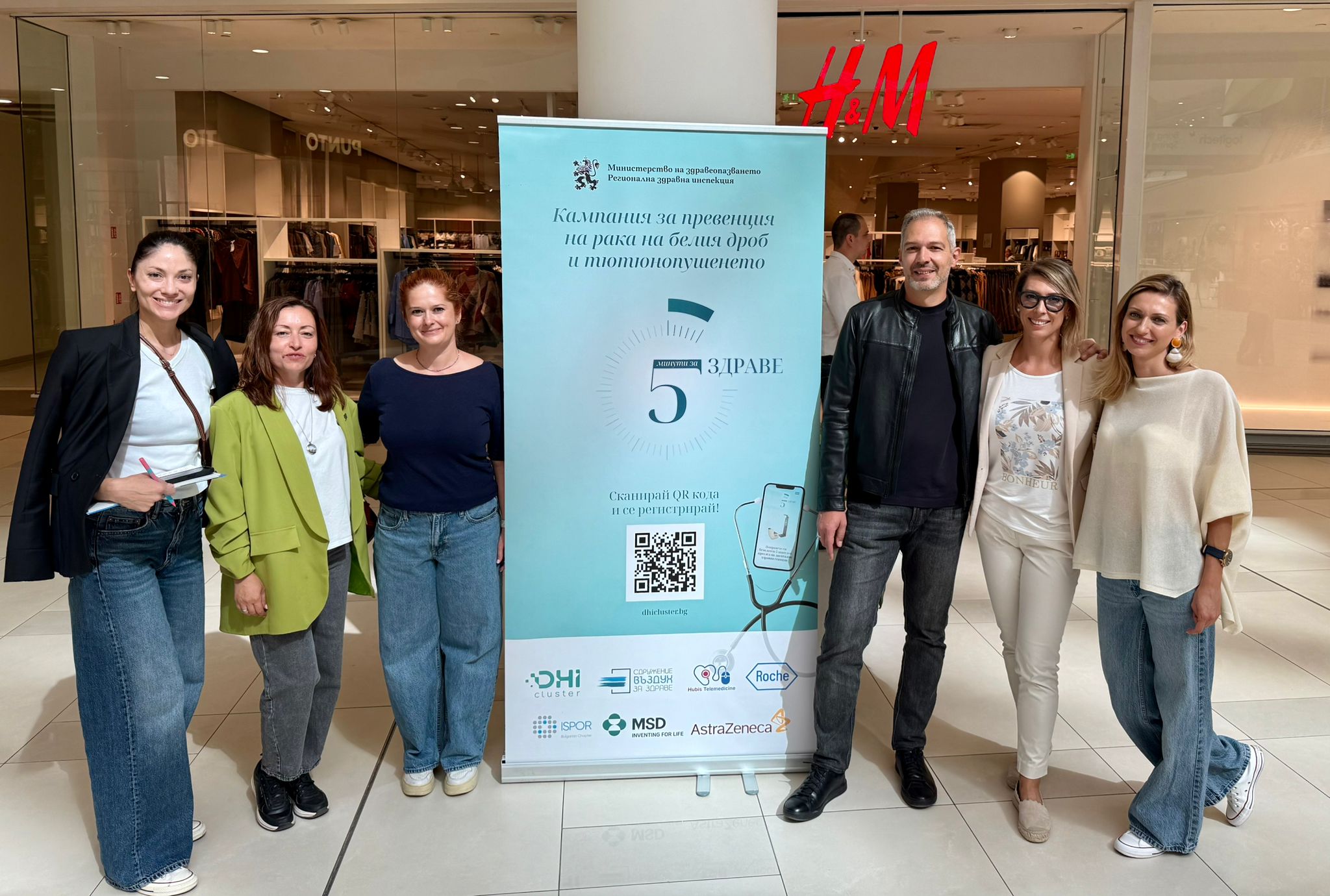
In 2025, the national campaign “5 Minutes for HEALTH” once again brought together physicians, public institutions, technology companies, and citizens around a shared goal: lung cancer prevention and the fight against smoking.
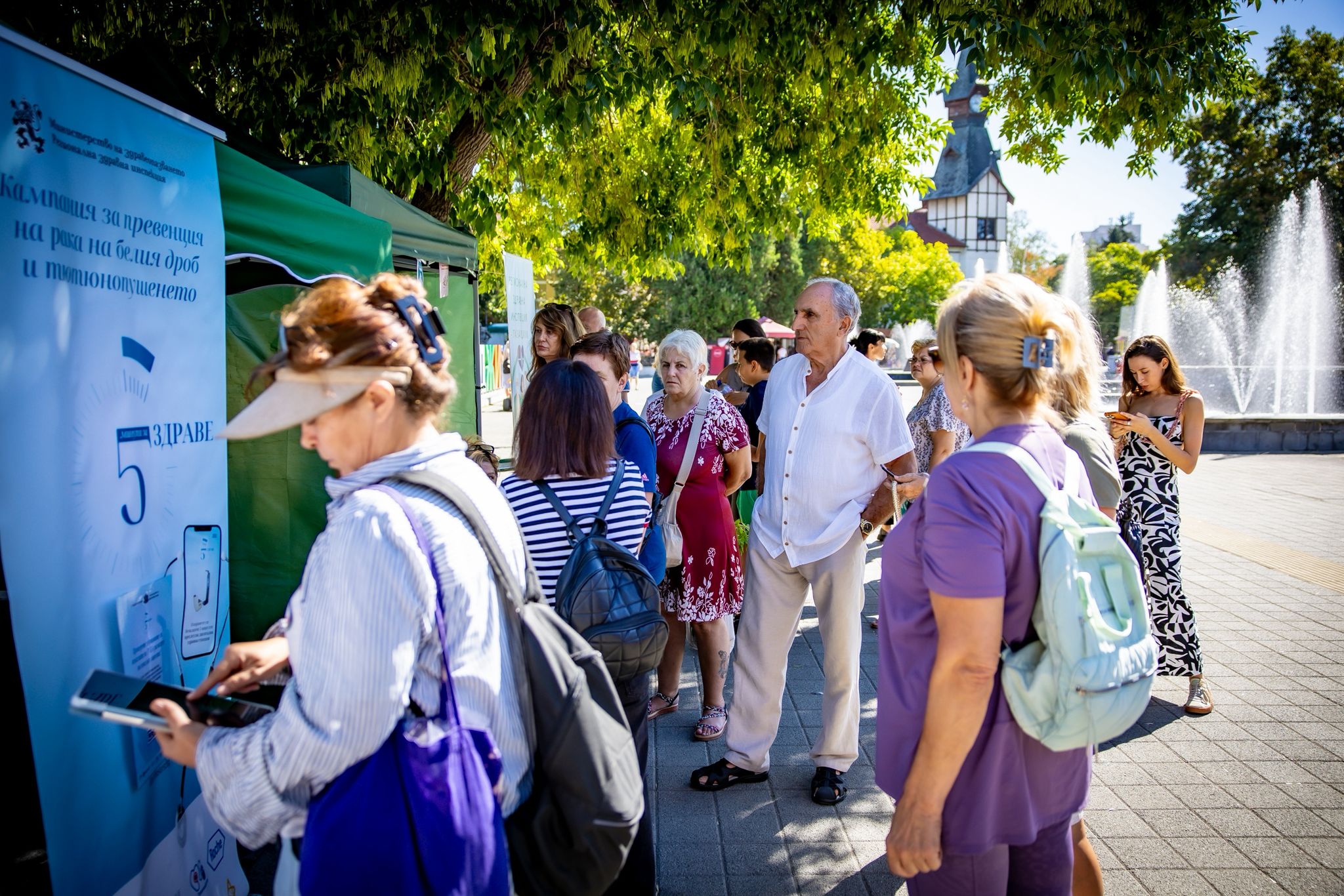
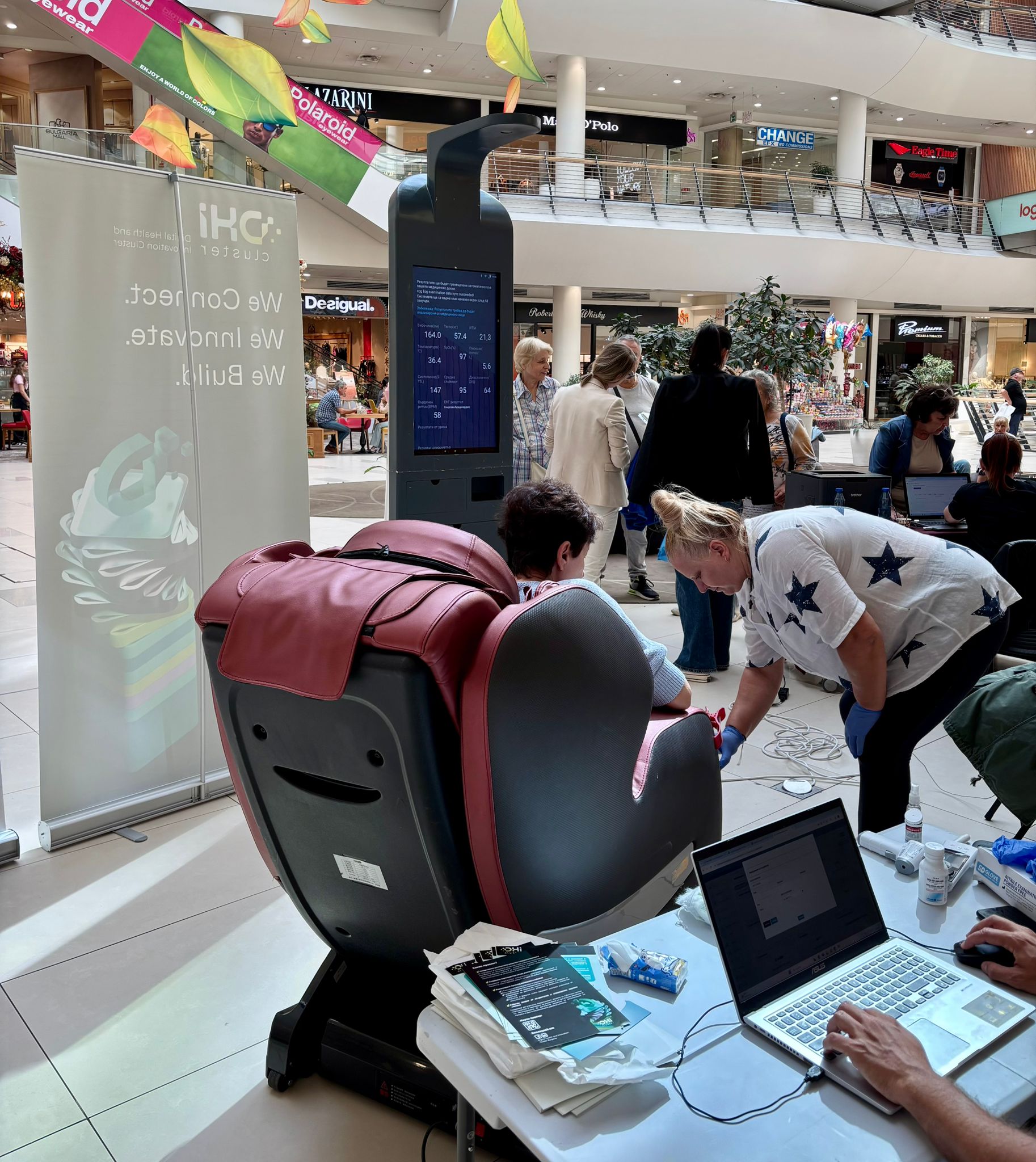
As part of the campaign, a mobile screening unit visited 11 cities across Bulgaria, reaching people of different ages and health profiles. Interest was high everywhere, and the opportunity for a fast, non-invasive health assessment attracted active and former smokers, even passive smokers, as well as people over the age of 55 who wish to check their health status.
What Is the “5 Minutes for HEALTH” Campaign?
“5 Minutes for Health” is a national awareness campaign focused on the prevention and early detection of lung cancer and on addressing smoking as its primary risk factor. Lung cancer remains one of the most late-diagnosed oncological diseases in Bulgaria.
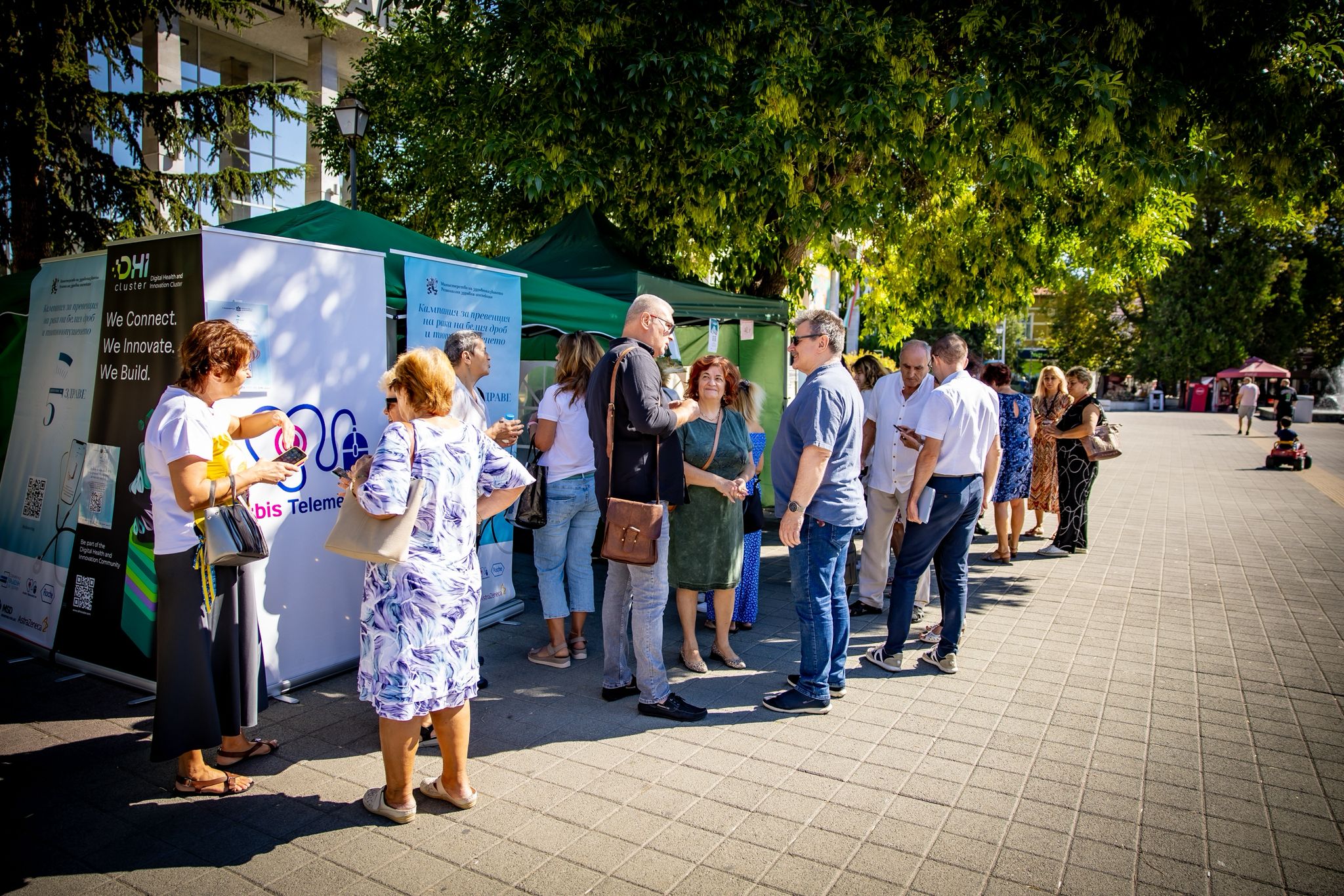
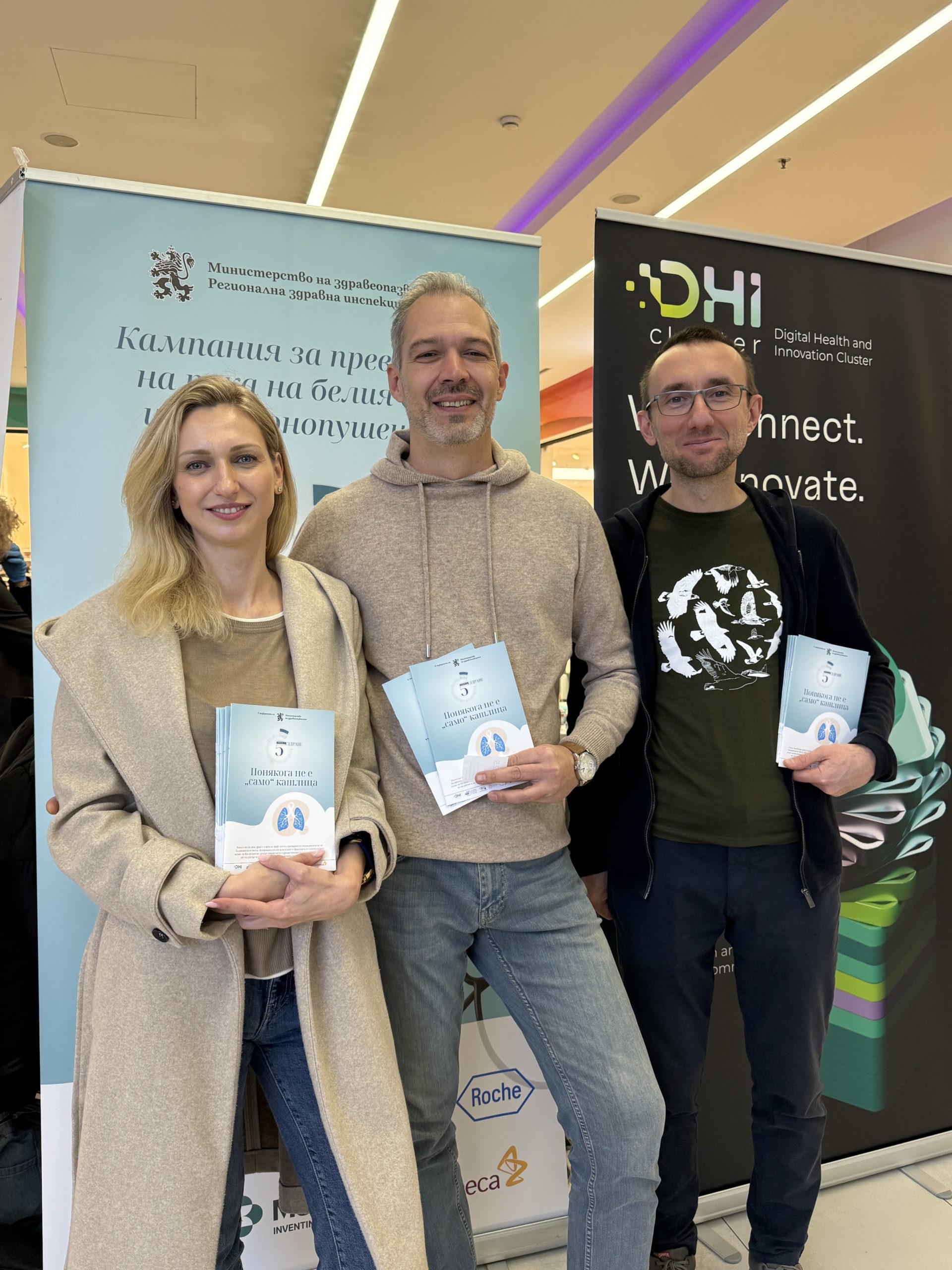
The initiative is organized by Digital Health and Innovation Cluster Bulgaria, with the support of the Ministry of Health and the Regional Health Inspectorates, in partnership with Air for Health Association, telemedicine company Hubis, and biopharmaceutical companies Roche Bulgaria, AstraZeneca Bulgaria, and MSD Bulgaria, as well as the ISPOR Bulgarian Chapter.
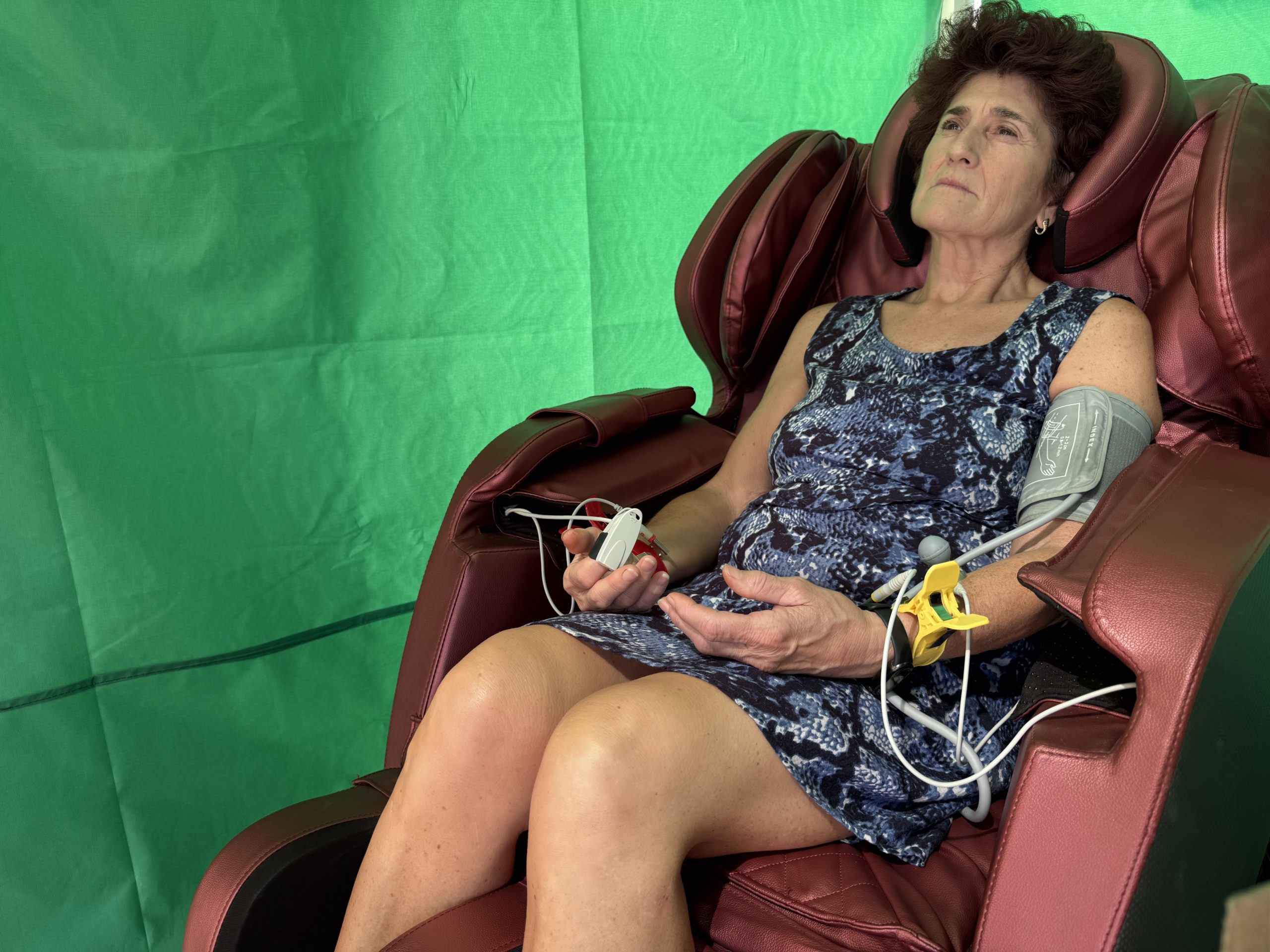
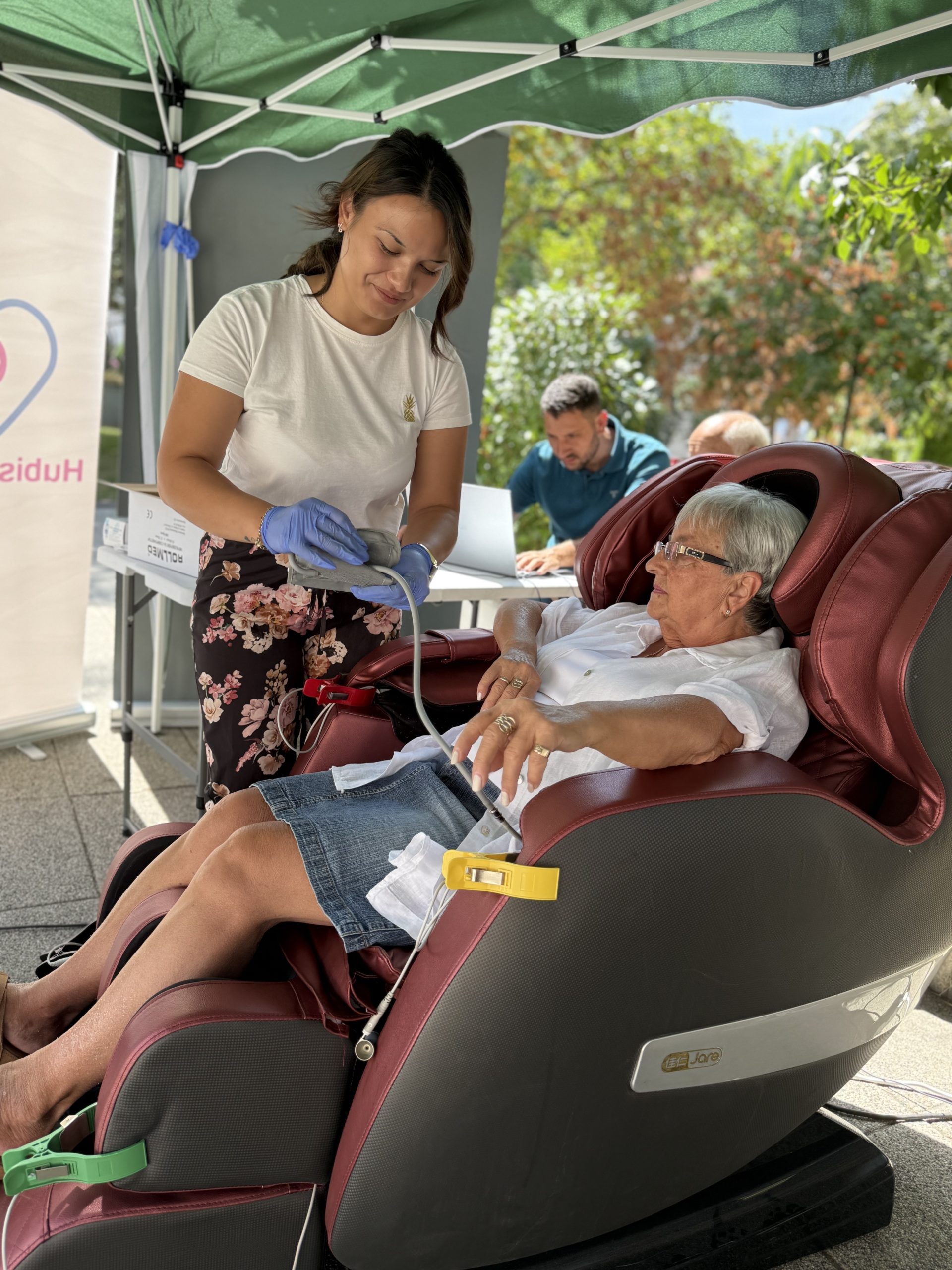
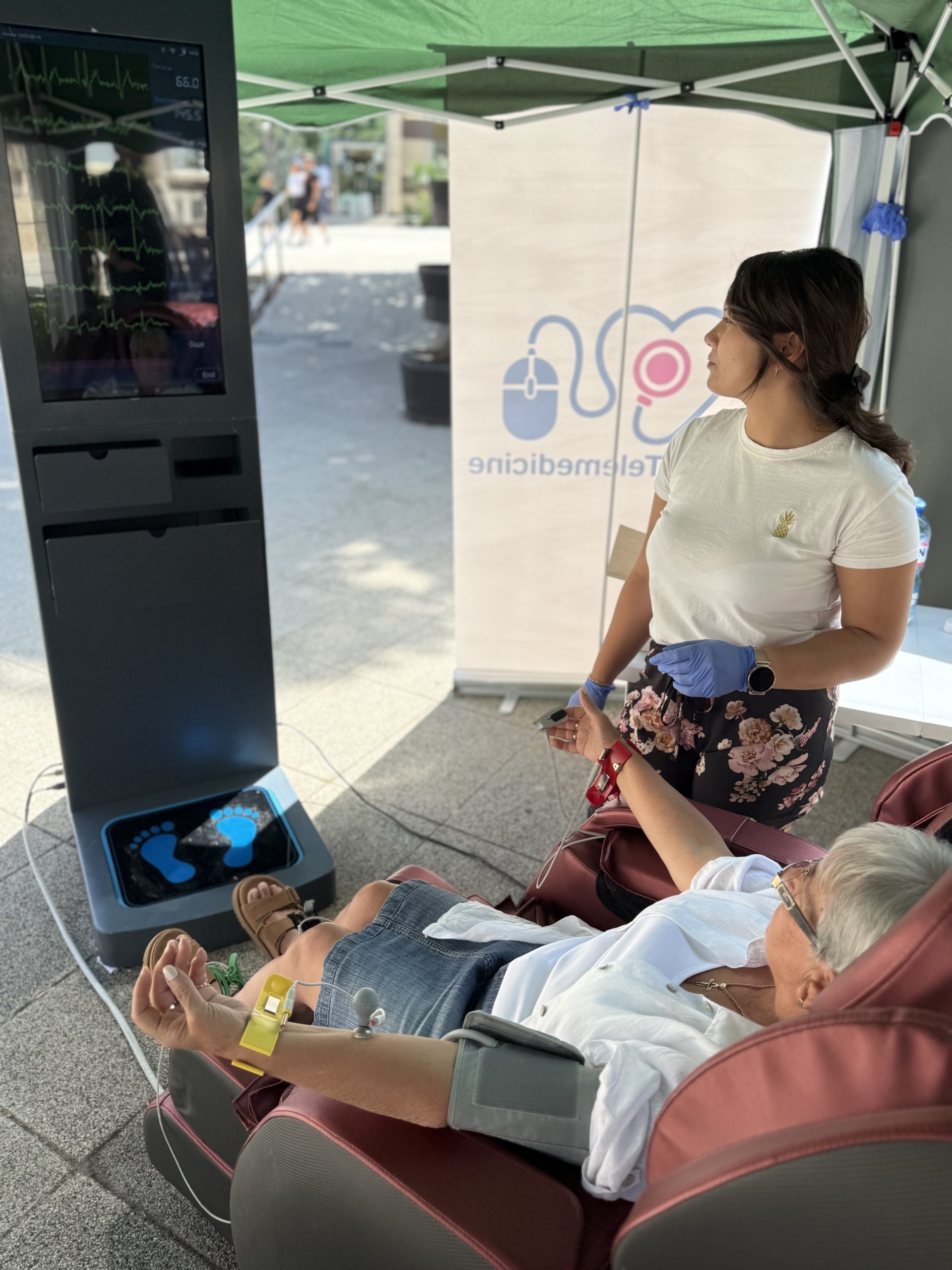
The campaign offers free, rapid health checks, carried out using modern digital and telemedicine technologies. These allow for the assessment of key health indicators and lung function within just a few minutes. The goal is to raise awareness and guide participants toward timely specialist consultation when needed.
Campaign Objectives
A primary objective of the campaign is the identification and profiling of high-risk groups for lung cancer, achieved by combining a structured risk questionnaire with digital screening data. This approach creates a foundation for future targeted prevention and screening programs based on real-world evidence, rather than assumptions.
The initiative also aims to demonstrate a functional, cost-effective, and scalable model for digital prevention. The operational mechanism - covering risk assessment, screening, counselling, and structured data collection - represents a ready-to-adapt framework that can be used by public institutions at a national level.
What Was New in 2025?
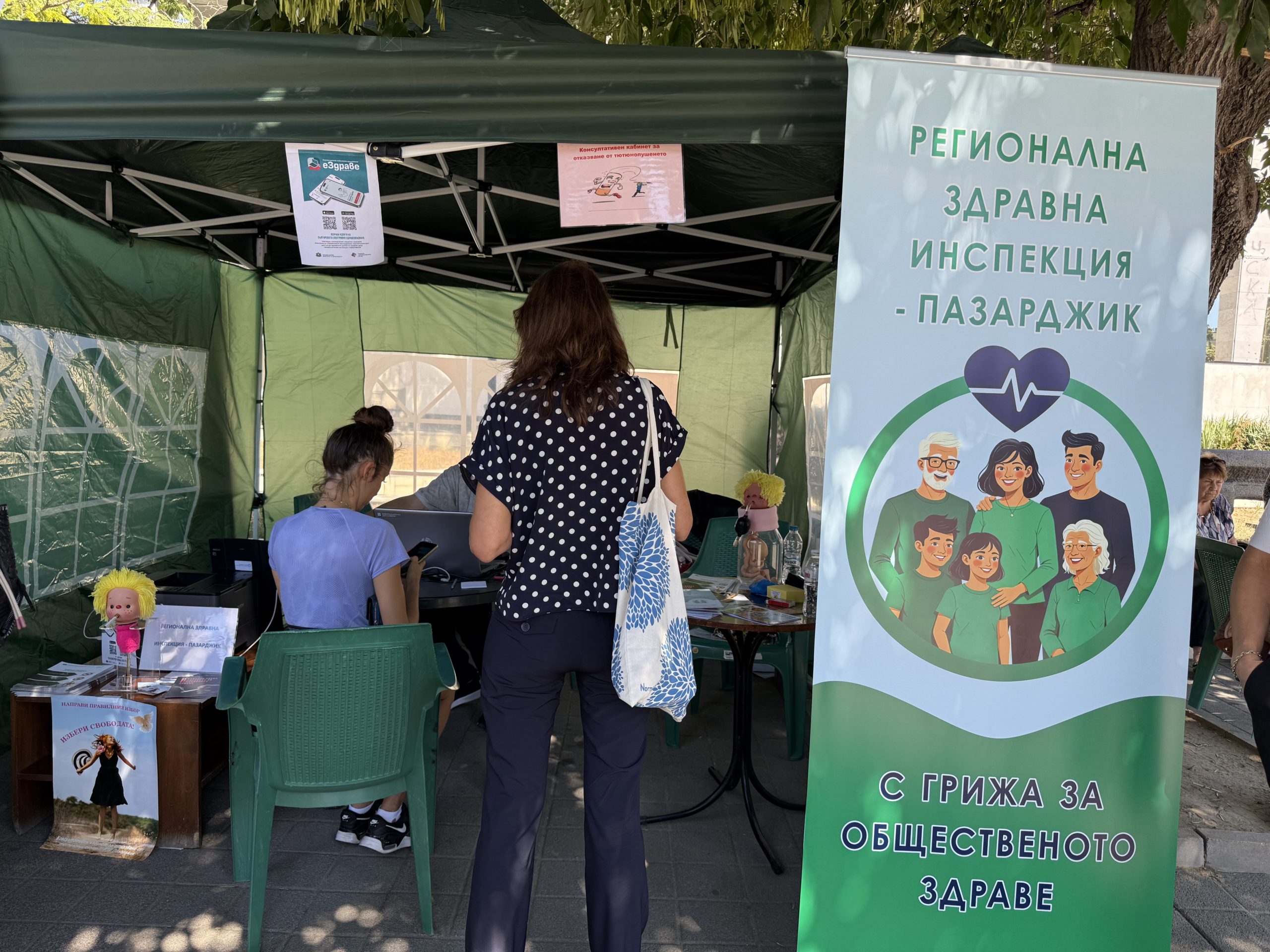
In 2025, the campaign was further expanded by offering participants the opportunity for on-the-spot registration in the national eHealth system, with the support of experts from the Regional Health Inspectorates.
This allowed citizens to gain access to their electronic health records, which consolidate medical documents, prescriptions, referrals, and test results in one place.
Alongside the screenings, teams dedicated time to direct conversations with participants - discussing lung disease symptoms, the risks of smoking, the importance of prevention, and the role of digital health solutions in modern care.
Key Challenges
Health literacy and awareness of early lung disease symptoms remain low, and many people seek medical help only once symptoms have become severe.
Based on observations from previous editions and feedback from medical teams, a significant proportion of participants had not undergone preventive check-ups for years, while many showed risk indicators requiring further monitoring. This is precisely where campaigns like “5 Minutes for HEALTH” create the greatest value - by serving as a first step toward timely and proactive care.
Technology as an Ally in Prevention
“5 Minutes for HEALTH” is not designed as a one-off screening event, but as a prevention-focused model that places awareness and individual risk assessment at its core.
Its purpose is not simply to offer testing, but to help people understand their personal risk and take informed action.
Each participant completes a structured risk assessment questionnaire, covering factors such as age, personal and family health history, smoking behavior, and environmental risks. This information is complemented by objective health indicators measured through a digital telemedicine station.
This combined approach enables participants to be grouped into three risk categories, each receiving clear and tailored recommendations - from general lifestyle advice and prevention guidance, to periodic follow-up checks, and immediate referral to a pulmonologist for those at high risk.
In this way, the campaign has the potential to become a first point of orientation within the healthcare system, particularly for individuals without symptoms but with accumulated, often unrecognized risk.
What the 2025 Data Reveals
The results from the 2025 campaign outline a clear - though not unexpected - health profile.
Among 589 screened participants, nearly 67% had smoked at some point in their lives, and more than half (54%) continue to smoke actively. For many, smoking began during school years or early in their working lives.
Twenty-six percent of participants reported chronic lung conditions, with active smokers showing a higher prevalence compared to former smokers. This once again confirms the strong link between long-term smoking and lung damage, which often remains undiagnosed for years.
The composite lung cancer risk model indicates that nearly 20% of participants (19.7%) fall into a high-risk category, while more than half are at medium risk. This highlights the need for closer monitoring, preventive follow-ups, and timely specialist referral - the stage at which early intervention can significantly change disease outcomes.
Why This Matters
Lung cancer remains the leading cause of cancer-related mortality worldwide. According to Globocan and the International Agency for Research on Cancer (IARC), more than 2.4 million new cases were recorded globally in 2022, with over 1.8 million deaths. Smoking remains the dominant risk factor, accounting for approximately 80% of cases, alongside air pollution, radon, asbestos, and chronic lung diseases.
Within the European Union, more than 319,000 new cases and over 252,000 deaths were recorded in the same year.
In Bulgaria, the situation is even more concerning: lung cancer is the most late-diagnosed oncological disease, with survival rates of around 8%, compared to an EU average of 15%. Although second in incidence, it remains the leading cause of cancer mortality, with more than 3,400 deaths annually.
“5 Minutes for HEALTH” goes beyond offering screenings - it builds a culture of prevention, encourages personal responsibility for health, and demonstrates that meaningful change is possible through the right partnerships and digital solutions.
What’s Next
The initiative will continue to evolve with the clear ambition to reach more people and contribute to earlier diagnosis, greater awareness, and more sustainable healthcare in Bulgaria.
Stay tuned for “5 Minutes for HEALTH” 2026.
Watch all the interviews and see how the campaign went in our “5 Minutes for HEALTH” playlist HERE.




 Trusted Partnerships
 Domain Expertise Access
 Community Growth
 Healthcare Innovation
