
DIGI4Care introduced an innovative model for screening and monitoring of chronic diseases in Bulgaria


As part of the European DIGI4Care project, we at DHI Cluster Bulgaria implemented the first pilot projects in Bulgaria under this international EU initiative, which aimed to transform the patient pathway through digital health innovations in the Danube Region.
The project focused on the introduction of digital technologies for prevention and screening of cardiovascular diseases, type 2 diabetes and diabetic retinopathy, as well as for the long-term monitoring of comorbid patients living with cardiovascular diseases and type 2 diabetes.
In the context of the growing need for better management of chronic diseases, the role of such innovations is becoming increasingly important. Chronic diseases remain a leading cause of mortality in Europe, accounting for more than 70% of all deaths. In Bulgaria, cardiovascular diseases are responsible for over 60% of deaths, according to the National Statistical Institute. Data from the National Centre of Public Health and Analyses also shows that nearly 400,000 people in the country live with diabetes, while almost 40% of them are unaware of their diagnosis. This makes early diagnosis and timely prevention critically important both for Bulgaria and at European level.
Polyclinics and centres for primary and specialised outpatient care play a key role in this process. This is where the early identification of at-risk patients begins, where chronic conditions are monitored, and where the need to introduce new technologies that reduce the burden on medical staff and bring healthcare closer to people is most evident.
It was precisely in this real clinical environment that the DIGI4Care pilot models were implemented = focusing on screening, diagnosis and long-term monitoring, in partnership with general practitioners and cardiovascular specialists.
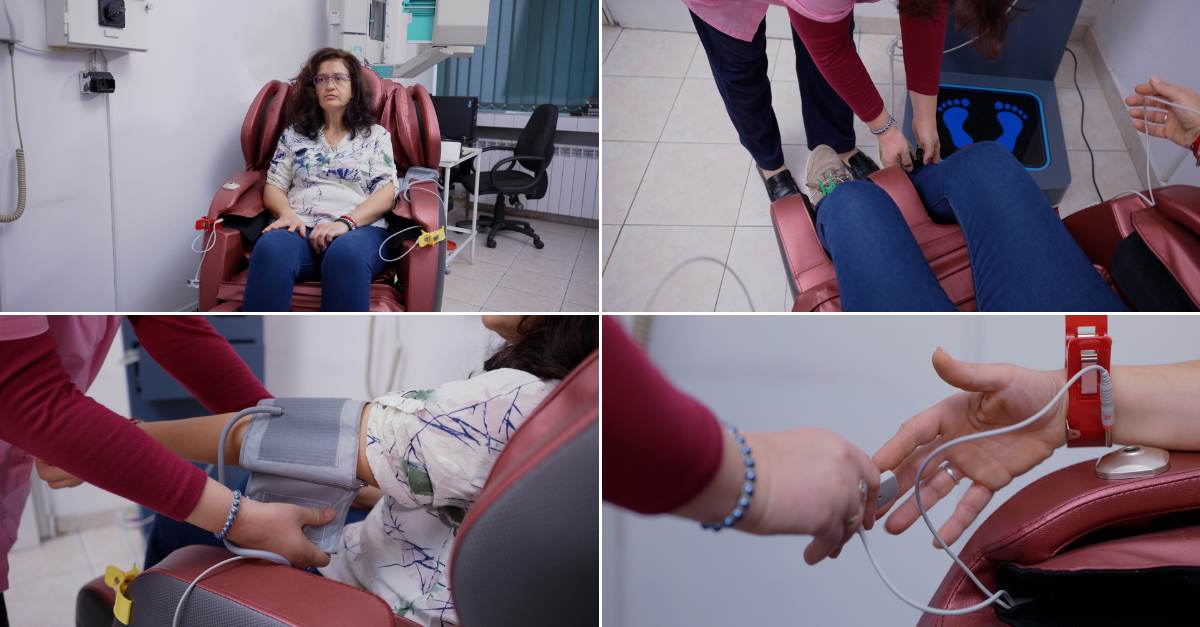
The first pilot project under DIGI4Care in Bulgaria introduced a mobile telemedicine station by Hubis Telemedicine, enabling comprehensive cardiovascular screening within just a few minutes. During a single examination, the patient undergoes a series of tests, including blood pressure, body temperature, oxygen saturation, lung function, body composition, 12-lead ECG, blood glucose, lipid profile and glycated haemoglobin. The system automatically calculates cardiovascular risk using the established European SCORE2 methodology. This enables the early identification of at-risk patients, even in practices with limited resources.
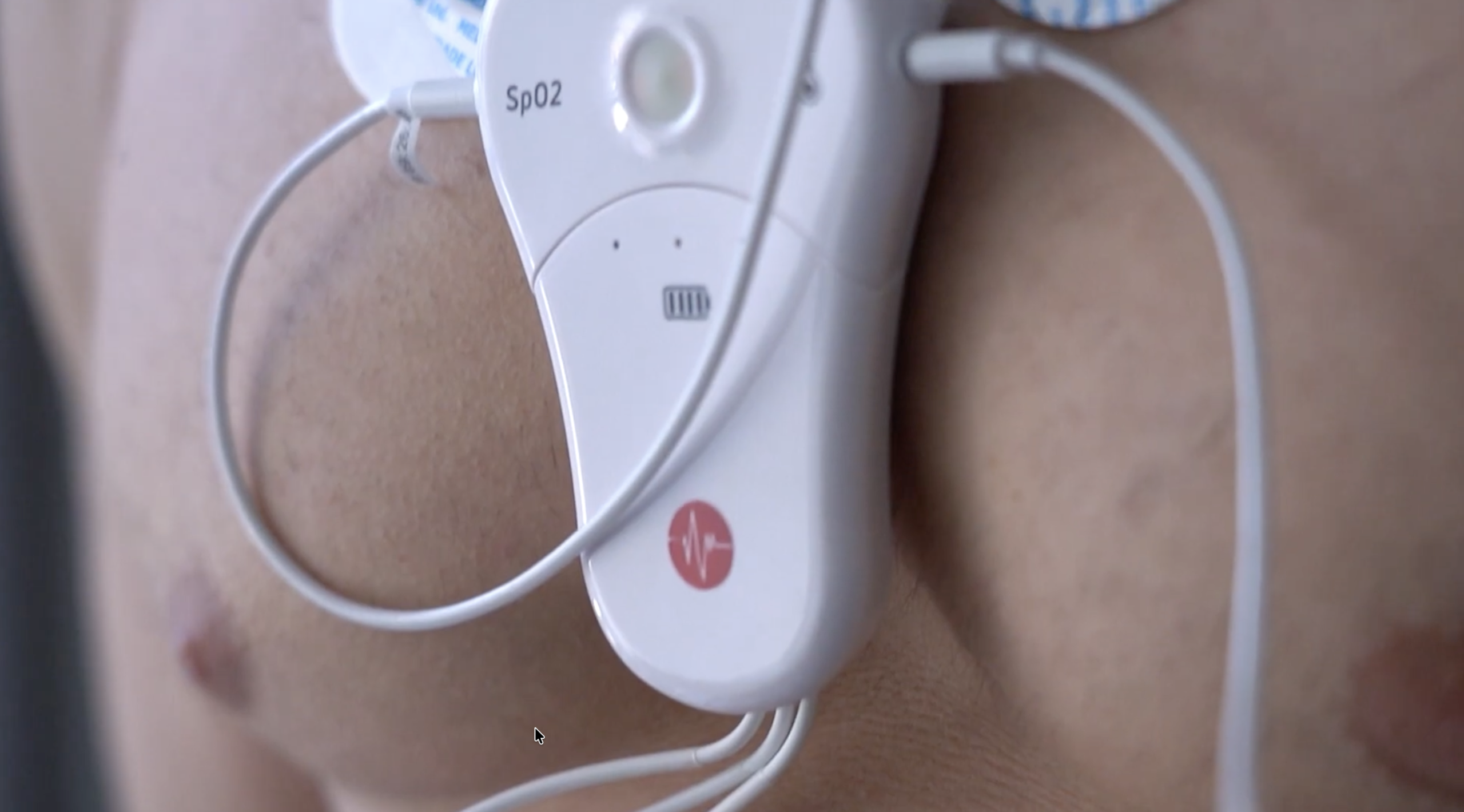
For patients in whom initial signs of risk were identified, the pilot offered a next step: 24-hour telemedicine monitoring. An innovative device - CPC 12S by Checkpoint Care - was used: a lightweight and comfortable sensor worn by the patient in their daily life. It measures more than 20 parameters in real time and analyses the information through artificial intelligence trained on hundreds of thousands of real clinical cases. The system can detect critical conditions such as heart attack, stroke, arrhythmias and pulmonary disorders, and automatically signals when a response may be needed. The data is validated by cardiologists in a telemonitoring centre, who prepare medical reports with specific recommendations.
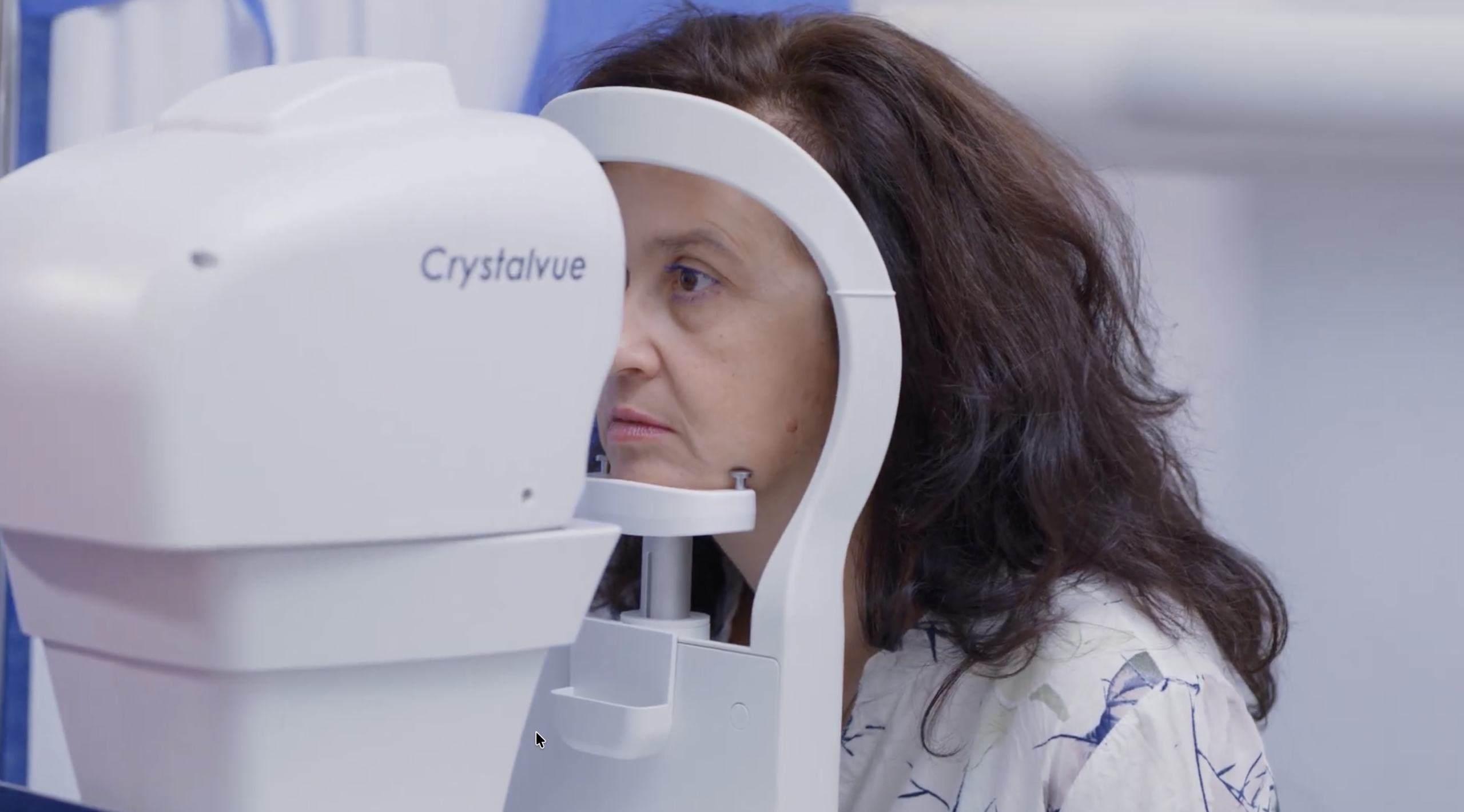
The pilot was further complemented by an innovative solution for the diagnosis of diabetic retinopathy - one of the most common complications of diabetes. A specialised fundus camera and the AI-based Aireen system perform a non-invasive retinal examination in less than 60 seconds, without the need for pupil dilation. This allows screening to be carried out in outpatient settings, including by trained non-specialist staff, and significantly improves access to timely diagnosis, especially in areas with limited availability of ophthalmologists.
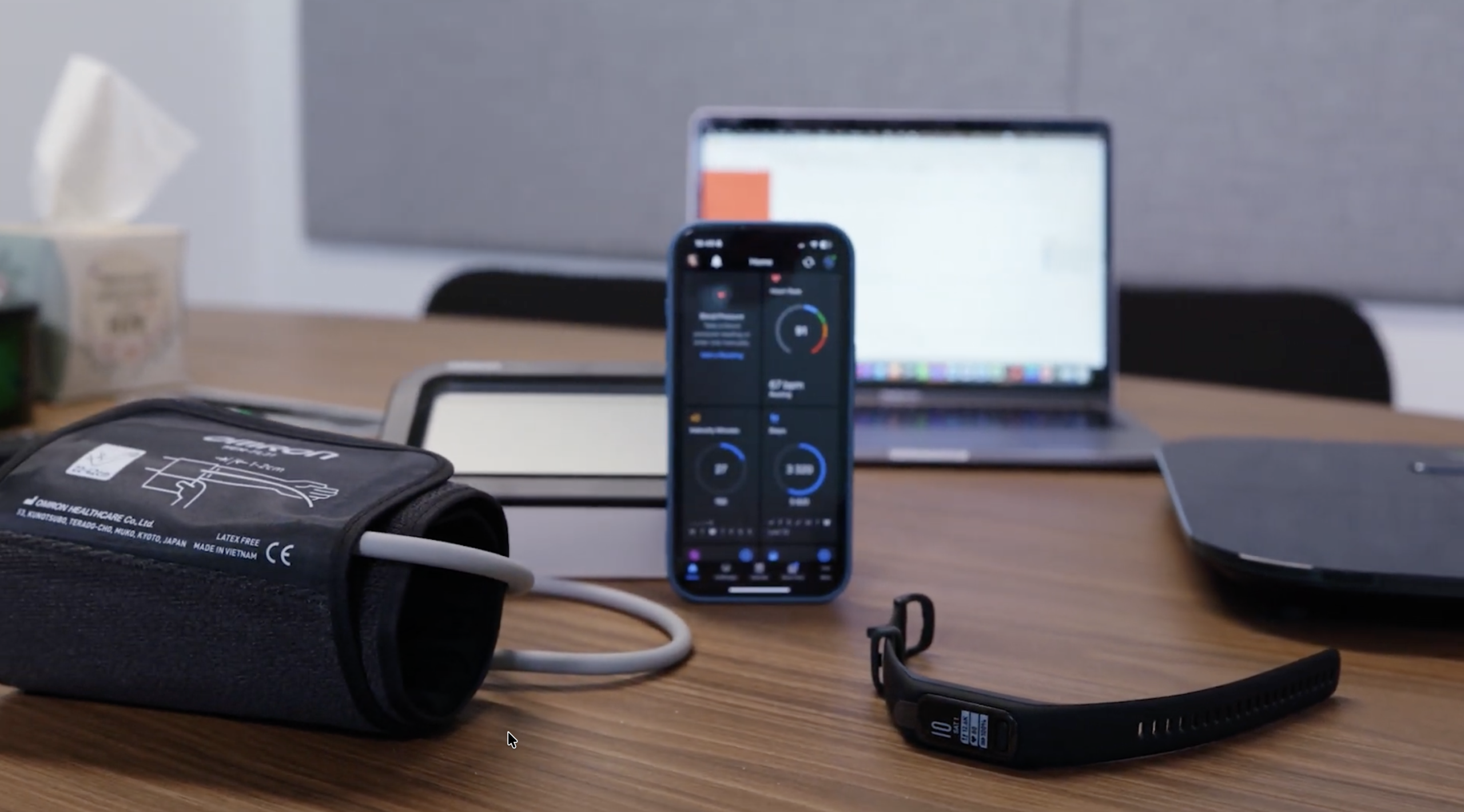
The third pilot built on care after diagnosis through digital monitoring. Patients received several devices - smart bracelets, a digital scale and a Bluetooth-enabled blood pressure monitor. The data was collected automatically in a selected technology platform, creating a continuous connection between doctor and patient. This supported remote medical observation and timely response, allowing care to extend beyond the doctor’s office and into people’s everyday lives.
The pilot solutions were also complemented by a new technology for thermographic diagnostics of peripheral arterial disease by Kelvin Health. The solution uses artificial intelligence to support the early detection of circulatory disorders that may lead to amputations or severe complications if not identified in time.
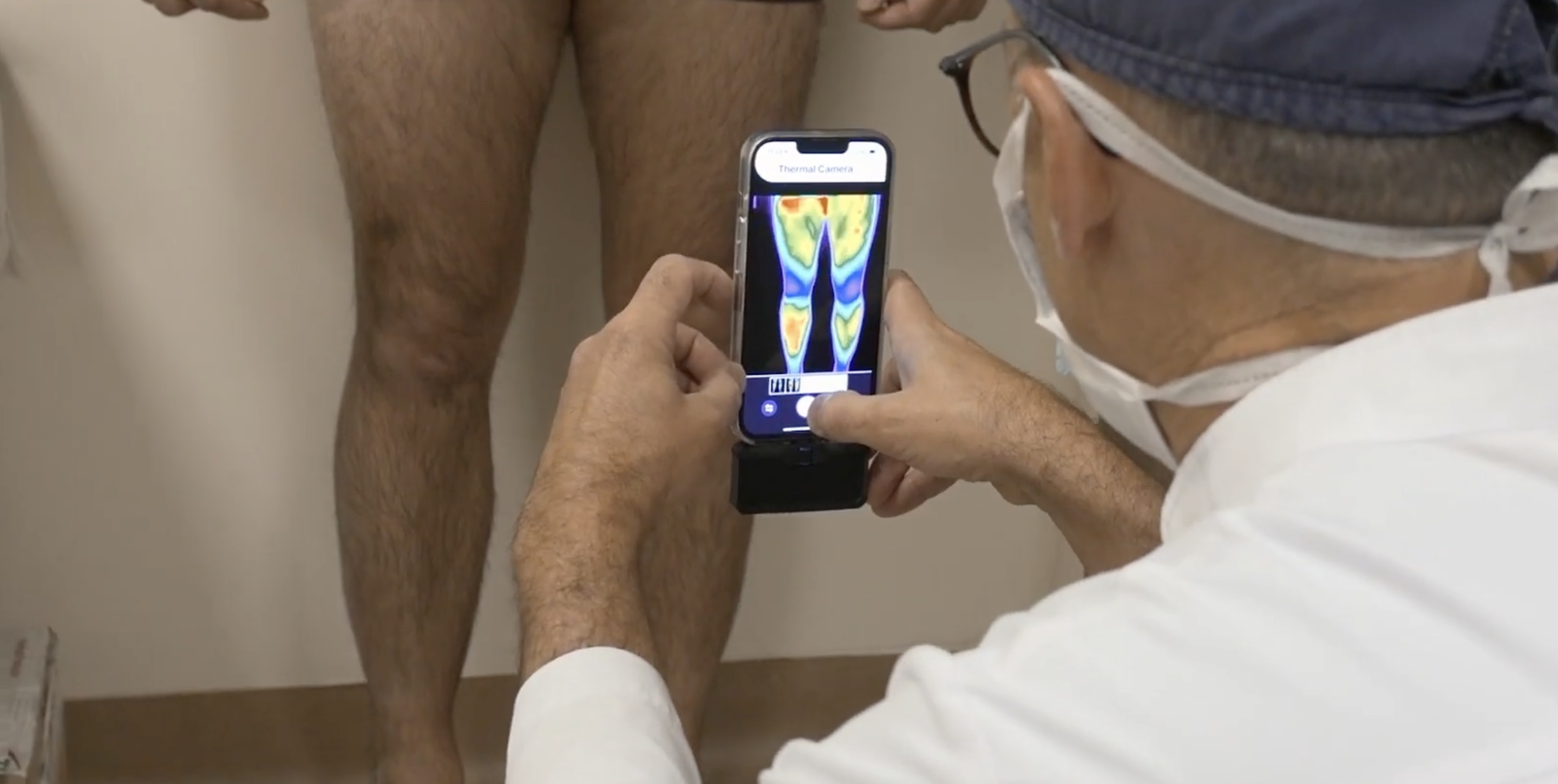
DIGI4Care aims to transform the care of patients with chronic diseases through the early detection of risk conditions, real-time monitoring without the need for hospitalisation, reduced pressure on the hospital system, and easier access to healthcare services, especially in vulnerable and remote regions.
Through the pilots implemented in Bulgaria, we demonstrated that digital technologies can be sustainably integrated into healthcare pathways and can generate positive health outcomes for Bulgarian patients. Building on the project results, our goal is to support the scaling of these models in other regions and to contribute to an improved overall approach to health promotion, prevention, early diagnosis and effective management of chronic diseases.


 Trusted Partnerships
 Domain Expertise Access
 Community Growth
 Healthcare Innovation
