
Atos: The Technology Behind Modern Healthcare


Atos Bulgaria joined the Digital Health and Innovation Cluster Bulgaria (DHI Cluster) in 2024. The company is part of the global Atos Group, a leading system integrator and technology partner in the field of digital transformation.
The Atos Bulgaria team provides a wide range of services - from the implementation of SAP solutions (S/4HANA, SuccessFactors, IBP, Ariba, BTP, BW/4HANA, SAC, MDG, Datasphere) to the development of custom solutions based on Microsoft technologies and migration to cloud infrastructure. The company also has strong expertise in Data Lakes, analytics applications, DevOps and containerization, as well as automation through AI, machine learning and UiPath, ServiceNow implementation, and training for users and consultants.
Atos Bulgaria focuses on sectors such as retail, FMCG, and industry, where technology solutions deliver real business value and competitive advantage.
The global Atos Group is a leader in digital transformation with 78,000 employees and annual revenues of approximately €10 billion. The company is a European leader in cybersecurity, cloud solutions, and high-performance computing, delivering end-to-end digital solutions across industries in 68 countries.
In this interview, we speak with Pavleta Todorova, Business Development Manager at Atos Bulgaria, about the role of technology in healthcare, the major challenges facing healthcare systems, and the future of digital medicine.
How would you describe your company to someone who has never heard of it?
Atos Bulgaria is a company that often works “behind the scenes” for large organizations, ensuring that their technological systems operate securely, reliably, and efficiently. Our role is to make technology work for people and businesses in a safe and sustainable way.
We do not simply implement software - we help organizations transform the way they operate. What motivates the growth of our team in Bulgaria is the opportunity to create world-class solutions - from managing data for pharmaceutical companies to supporting critical infrastructure and supercomputing environments.
What key problem do you address in the healthcare sector?
One of the major challenges in healthcare today is fragmented and underutilized medical information. Data is often stored across different systems and formats, making it difficult to analyze and use effectively.
Through our Data & AI solutions, cloud infrastructure, and secure data processing, we help integrate information from multiple sources such as imaging systems (PACS), hospital information systems (HIS), laboratories, and ERP platforms.
We apply machine learning and AI models to support diagnostics while providing secure and compliant IT infrastructure that enables deeper analysis of clinical and operational indicators. Ultimately, our goal is to give healthcare professionals better tools for faster and more informed decision-making.
Tell us about your core solutions. What makes them innovative?
Our focus is not on a single product but rather on integrated technology solutions. We are particularly strong in SAP-based implementations for the healthcare and pharmaceutical sectors, as well as in telemedicine platforms and cybersecurity solutions.
These technologies allow doctors and researchers to focus on treatment and innovation while the systems handle administrative processes and ensure the security of sensitive medical data.
We also support initiatives such as “5 Minutes for Health”, which aim to promote prevention and early diagnosis through telemedicine technologies.
In how many countries do you operate?
As part of the global Atos Group, we operate in 68 countries. The Bulgarian team serves clients across Europe and globally, including Switzerland, Germany, and the United States.
These markets are attractive because of their scale and openness to innovation. The main challenges often relate to the different regulatory frameworks in healthcare and strict data protection requirements - areas where we have significant expertise.
What are the biggest challenges facing healthcare systems today?
Among the most pressing challenges are the shortage of medical staff, the need for stronger prevention strategies, and the cybersecurity of health records.
We address these challenges through process automation, the implementation of AI to support diagnostics and administrative workflows, and by delivering high-level cybersecurity solutions - a critical requirement for maintaining trust in healthcare systems.
What motivated you to join DHI Cluster?
We strongly believe in the power of ecosystems. Real transformation in healthcare can only happen through collaboration between technology companies, pharmaceutical organizations, medical institutions, and public authorities.
Through DHI Cluster, we found a platform that brings these stakeholders together and enables the exchange of experience, ideas, and solutions. For us, it is an opportunity to share the global expertise of Atos while contributing to the development of digital healthcare in Bulgaria.
What are your goals for the coming years?
In the rapidly evolving environment we operate in, long-term predictions are increasingly difficult. That is why I would rather focus on our goals for the coming year.
We aim to expand our presence in the healthcare sector in Bulgaria by introducing more of our global telemedicine and AI solutions locally. We also want to be a key partner in the digitalization of Bulgarian hospitals and support the development of professionals who understand both technology and healthcare.
How do you imagine the future of healthcare in 10 years?
In the era of artificial intelligence, it is difficult to give a definitive answer about such a long time horizon.
However, it is likely that in ten years healthcare will not simply be digitalized - it will be intelligent, predictive, and personalized. AI algorithms will analyze medical imaging, genomic data, and clinical indicators in real time. Prevention will increasingly replace reactive treatment, and personalized medicine will become the standard rather than the exception.
Hospitals will function as integrated digital ecosystems, while technologies such as digital twins will enable simulations and optimization of both patient care and hospital operations.
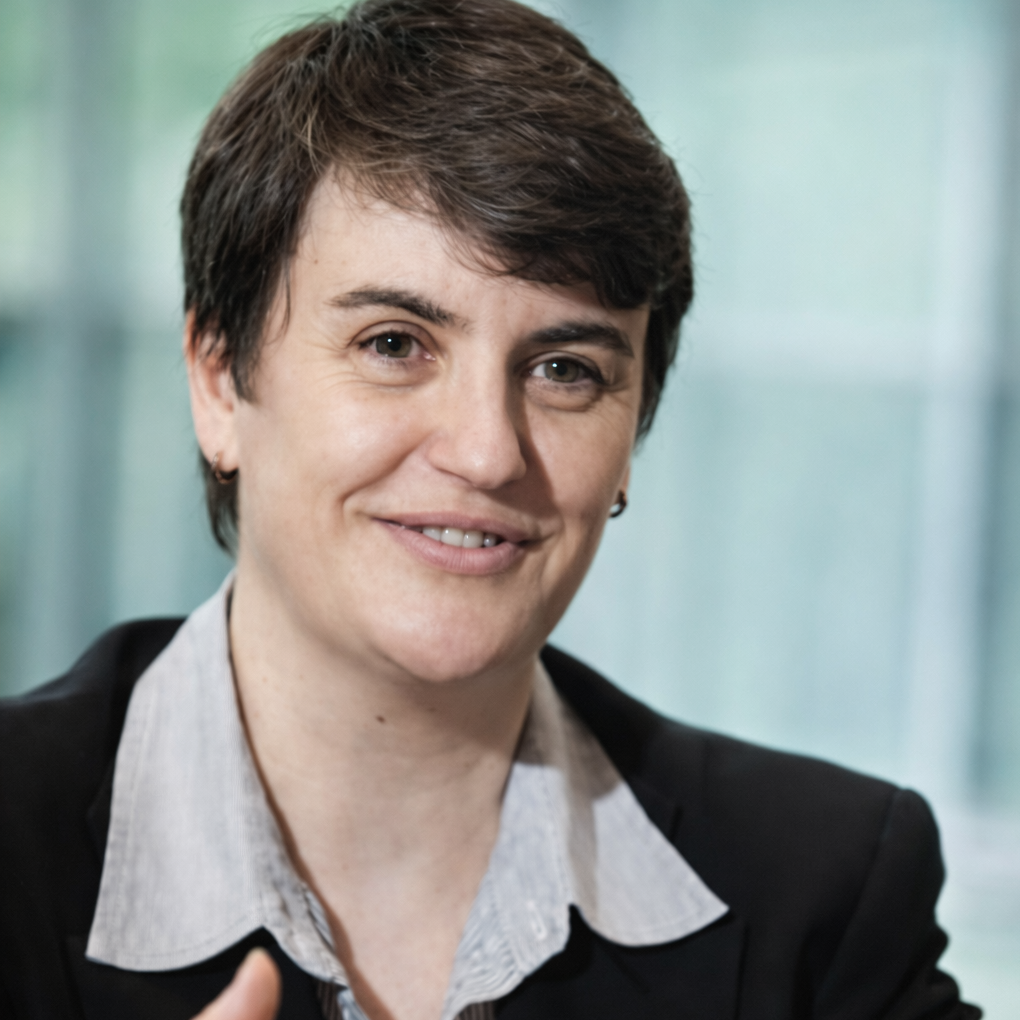
Pavleta Todorova
Business Development Manager at Atos Bulgaria, part of the global technology group Atos
Pavleta has 27 years of professional experience within the company, progressing through multiple roles - from SAP consultant and project manager to architect of complex IT solutions for international clients and leader of a team of architects. She has deep expertise in enterprise technologies, IT implementation methodologies, and digital transformation across multiple industries.


 Trusted Partnerships
 Domain Expertise Access
 Community Growth
 Healthcare Innovation
